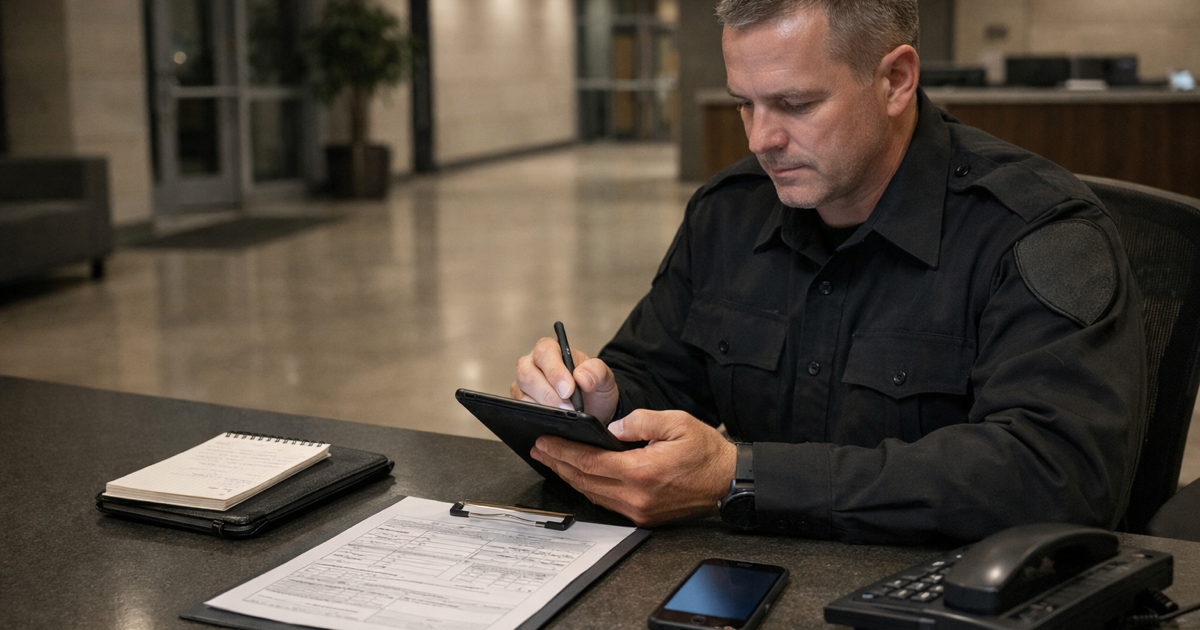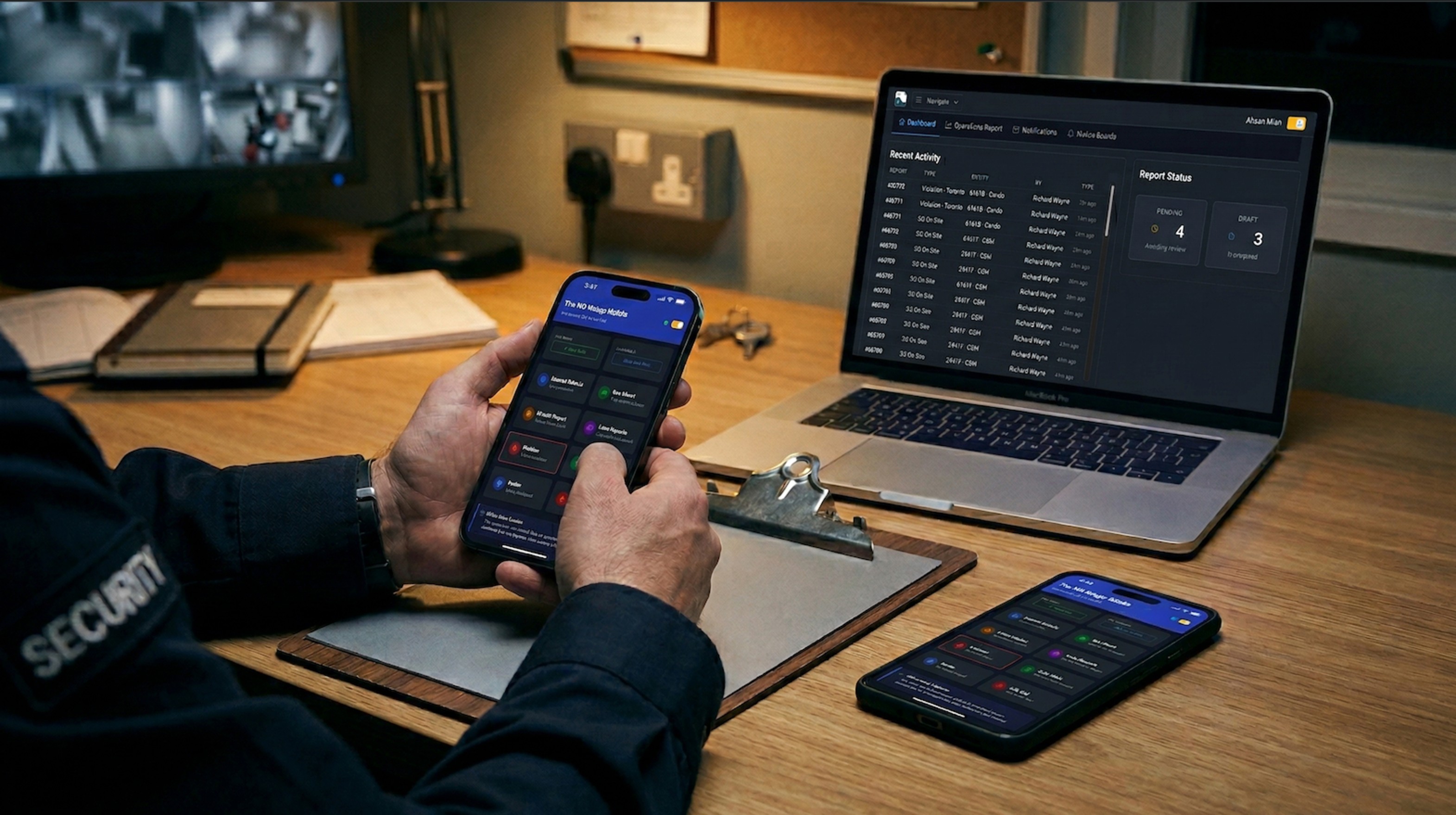

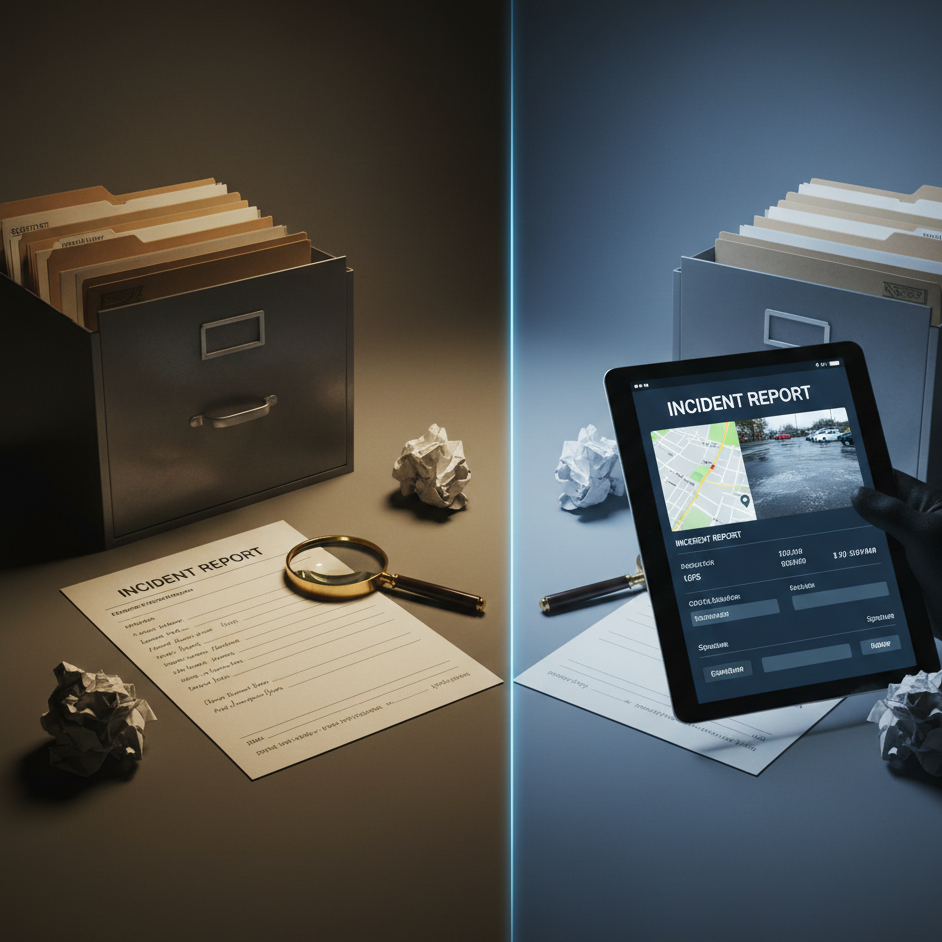
Security teams and parking enforcement operations document a lot. Incident reports, patrol logs, violations, inspections. The work gets done. The question is what happens to that documentation later when you need to find it.
If your records live in filing cabinets, photo albums on phones, and email chains between supervisors, retrieving anything specific becomes a project. You're piecing things together from memory, hoping someone labeled the folder correctly, or digging through attachments.
Digital documentation changes this. Not because it replaces the paperwork you're required to produce, but because it makes everything searchable, organized, and retrievable in seconds.
The Real Problem With Paper Records
Paper documentation isn't necessarily wrong. You fill out the form, file it, move on. The system works until you need to find something.
Think about the last time you had to locate a specific record from months ago. Maybe an incident report, maybe a violation that's being disputed, maybe a patrol log someone asked about. How long did that take?
With paper:
You're searching through physical files hoping the date or location was noted clearly
Photos are somewhere else, probably on an officer's phone or buried in an email
There's no way to search by keyword, vehicle plate, or officer name
If the person who filed it isn't around, good luck
The record exists. Finding it is another matter.
What Digital Documentation Actually Solves
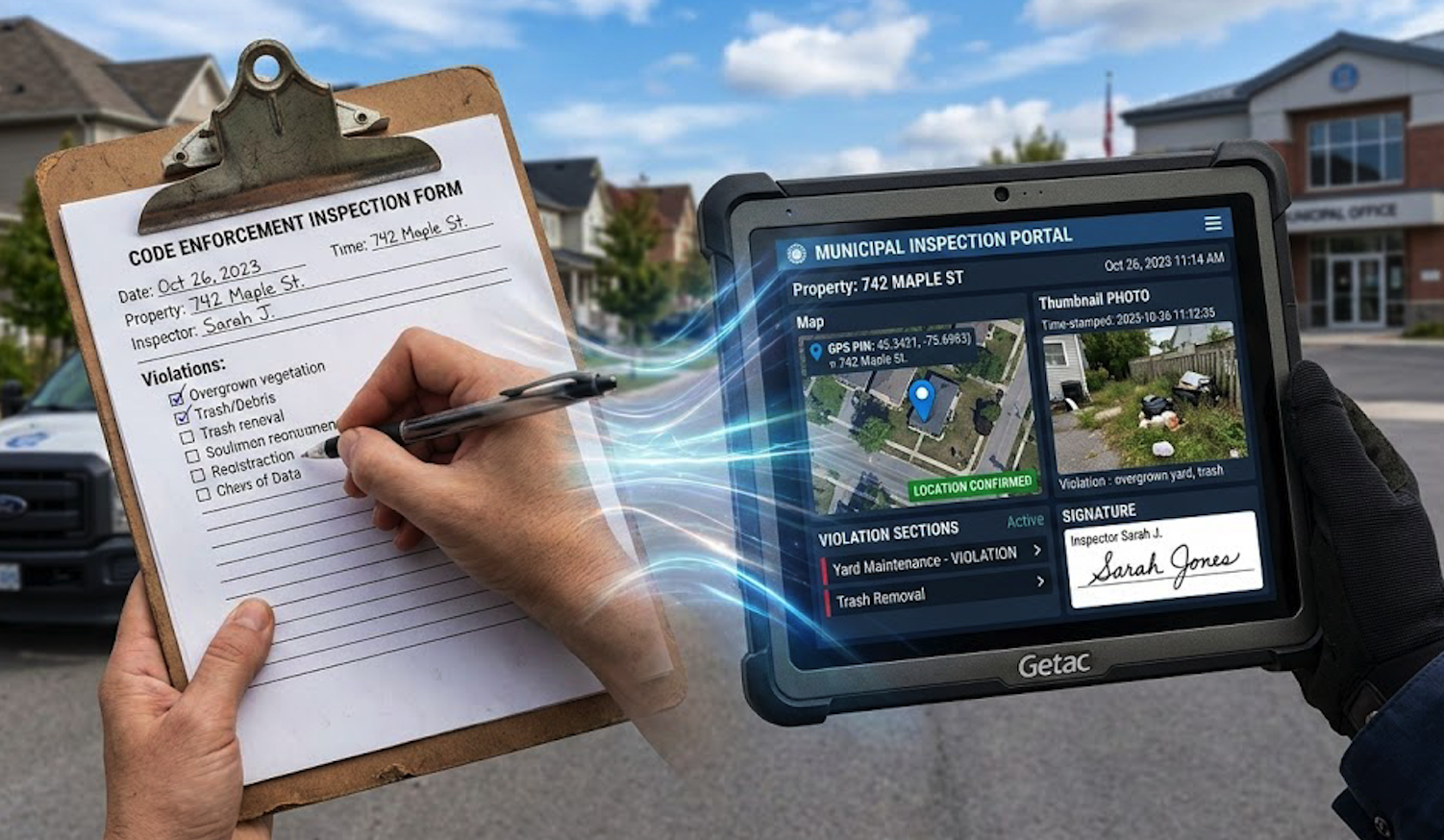
Documenting digitally doesn't change what you capture. It changes how you store it, find it, and use it later.
Everything goes into one system. Reports, photos, notes, timestamps, GPS coordinates. When you need to pull up a record, you search for it. By date, by location, by officer or user, or by keyword. It comes up.
The value isn't in the moment of documentation. It's in the months and years afterward:
Archiving records without filling storage rooms
Retrieving specific incidents in seconds, not hours
Pulling up everything related to a location or vehicle with a keyword search
Having photos, timestamps, and details attached to the same record automatically
Generating a PDF and emailing it to a client or yourself whenever needed
For security firms managing multiple sites or parking operations handling hundreds of violations a month, this is the difference between organized records and organized chaos.
What Digital Records Include That Paper Can't
When an officer documents something digitally, the system captures more than just what they type.
A paper record is the officer's word. The form says they checked the lot at 2:15pm. If someone disputes that, there's nothing backing it up except the handwriting on the page.
A digital record typically includes:
A timestamp generated by the system, not entered manually
GPS coordinates showing exactly where the officer was
Photos attached at the time of documentation
Pictures of signage, vehicles, damage, whatever's relevant
A submission record that can't be altered after the fact
When disputes are reviewed by you or the clients you provide service to, this level of documentation holds up. Not because digital is inherently more trustworthy, but because there's less room for ambiguity. Everything is captured at the moment it happened, and nothing requires you to trust someone's memory.
How Retrieval Changes Day-to-Day Operations
The immediate benefit of digital documentation is during disputes. But the daily benefit is simpler: you can find things.
A property manager calls asking about an incident from three weeks ago. Instead of tracking down which officer was on shift and whether they filed a report, you search the system. The report comes up with photos, timestamp, and notes attached. You can have a PDF in their inbox before you hang up the phone.
A client wants a summary of patrol activity for the month. Instead of compiling data from paper logs, you run a report and send it over.
An officer's documentation is being questioned. Instead of relying on their recollection, you pull the record with GPS and timestamp verification.
This doesn't make documentation faster in the moment. It makes everything that happens afterward faster and more reliable.
The Trust Factor
There's something harder to measure here: what it does for your credibility with clients.
When a property manager asks about an incident and you can pull up the full report with photos and timestamps within a minute, that lands differently than "let me get back to you." Export it to PDF, email it over, done. When a client questions whether patrols are actually happening, and you can show them logged activity with GPS verification, the conversation changes.
Being able to respond immediately with documented proof builds trust. It demonstrates that your operation is organized, accountable, and transparent. For security firms and enforcement teams competing for contracts, this is an edge that's hard to quantify but easy to feel.
Clients notice when you have your records together. They also notice when you don't.
The Searchability Advantage
This is the part that's hard to appreciate until you've used it.
Paper records can be organized. You can label folders, sort by date, create a filing system. But that takes time, and time is overhead. Someone has to do the filing, maintain the system, and know where things are. That's labor and expense. And even then, you can't search paper. If you don't know exactly which folder to look in, you're browsing.
Digital records are searchable by default. Vehicle plate, officer name, date range, location, keywords in the notes. If the data was captured, you can find it.
For teams dealing with any volume of documentation, this changes how records function. They go from something you file and hope to never need, to something you can actually rely on when it matters.
The Shift Is Straightforward
Think about the last 50 times you had to locate a record. How many involved digging through filing cabinets, scrolling through photo albums, or asking around to figure out where something was stored?
That's the gap digital documentation closes. Everything in one place, searchable, retrievable, with the photos and details attached.
Most teams that switch don't go back.