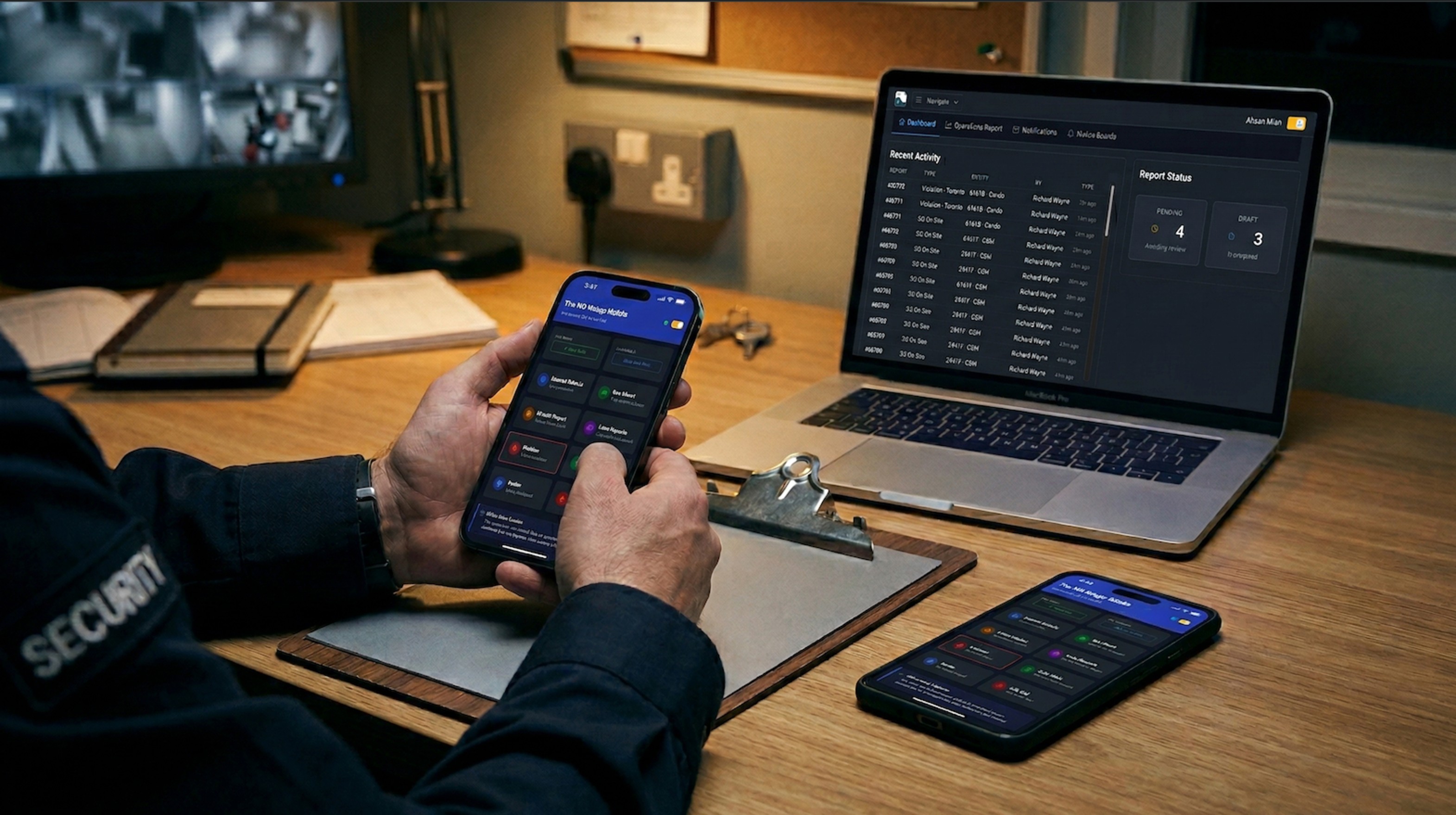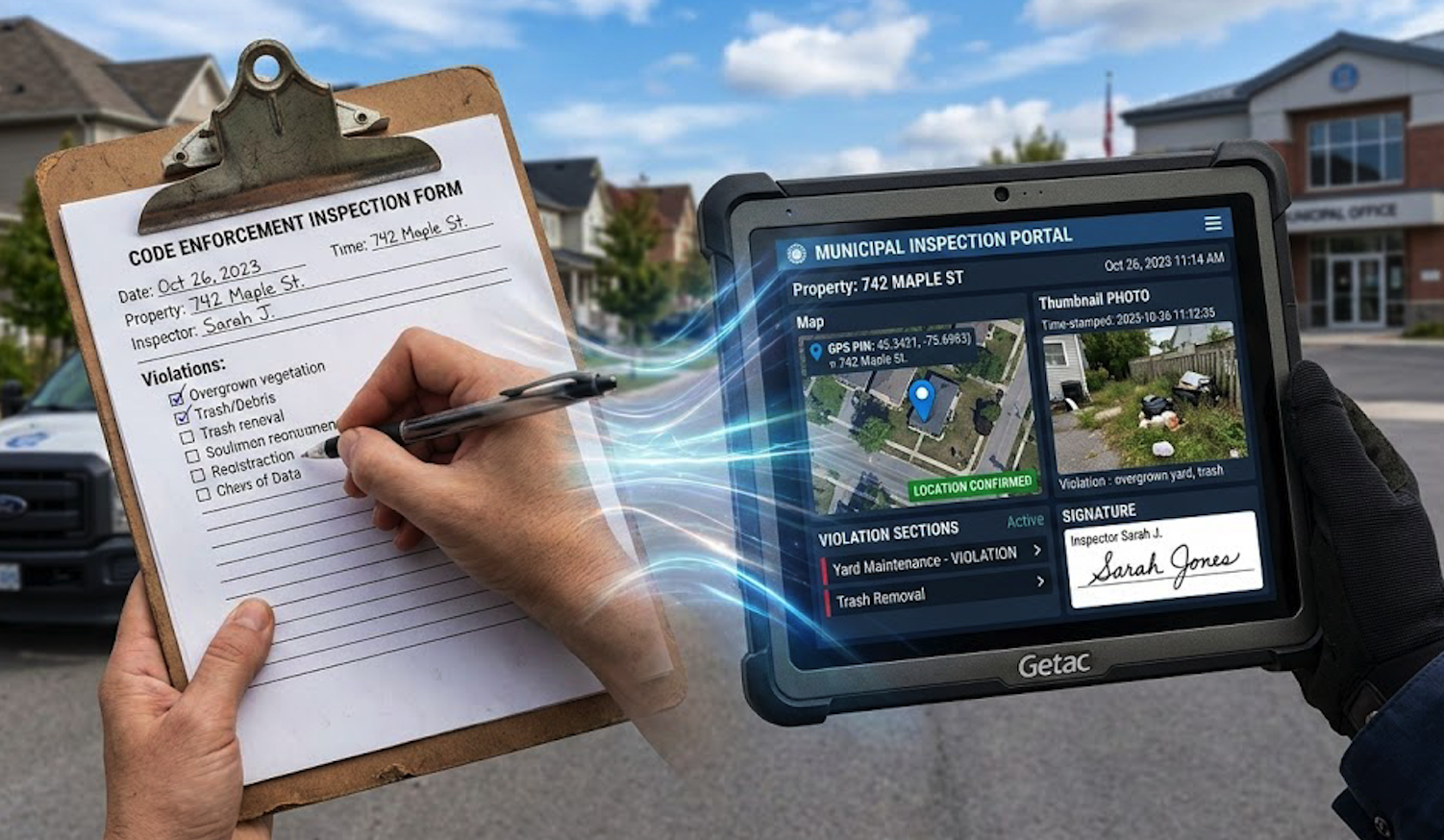

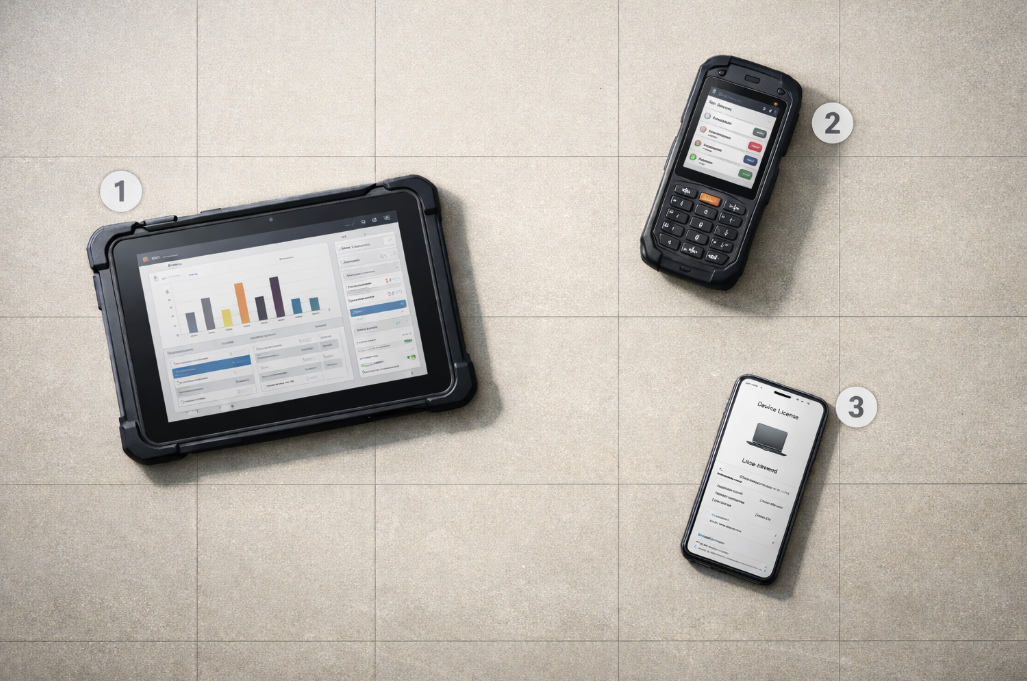
Pricing models look like procurement details until they quietly change how your team operates. For field teams, licensing is not just a line item. It shapes staffing, accountability, and how fast you can grow.
Most teams only think about licensing when the invoice spikes or when a manager asks why part-timers are sharing logins. By then, the model is already baked into your workflows.
The Per-User Pricing Problem
Per-user pricing is simple on paper: every person who logs in has a license. It feels fair because you only pay for users who access the system. But in field operations, usage is rarely one-person-one-device, and work is rarely one-shift-all-day.
Field teams run in shifts. Devices get shared. Staffing levels fluctuate. Under a per-user plan, every seasonal worker, part-time officer, or temporary contractor becomes a new cost line. Scaling doesn't just add headcount. It adds recurring fees that compound even when the actual device usage stays flat.
Why Vendors Like It
Per-user pricing grows automatically with your headcount. That is predictable revenue for vendors. It is also easy to explain to procurement. But "easy to explain" is not the same as "best fit for field work."
The Hidden Costs
The most damaging cost is not the invoice. It is the behavioral pressure the model creates.
When licenses are per-user, teams start to ration logins. Supervisors delay onboarding. Part-timers share accounts. Audit trails become fuzzy. Compliance gets weaker even though the system was bought to strengthen it.
The Device-Based Alternative
Device-based licensing flips the math. You pay for concurrent devices, not unique users. A day-shift officer uses a tablet. A night-shift officer uses the same tablet. The device stays licensed regardless of who logs in.
For shift-based operations, this aligns cost with actual usage. If you have five devices in circulation, you pay for five. If you add ten part-time officers who use the same devices on alternate shifts, the device count does not change.
The Math That Matters
If your team rotates through a smaller pool of devices than your headcount, device-based pricing scales better. You pay for the hardware footprint, not the employee roster.
This matters most in operations with:
Multiple shifts
Staffing swings
Shared tablets or phones
Rotating coverage across sites
Compliance Stays Intact
Device-based licensing does not require shared logins. Every officer can still have their own username and password, even if they use the same device at different times.
That preserves a clean audit trail: who did what, when, and from which device. You keep accountability without forcing the team into risky workarounds.
When Each Model Makes Sense
Per-user licensing can make sense when:
The team is very small
Everyone works the same hours
Each person has a dedicated device
Headcount growth is flat
Device-based licensing is a better fit when:
Shifts overlap or rotate
Devices are shared across a team
Staffing changes seasonally
Budget sensitivity is high
The Audit Trail Question
Audit trails fall apart when logins are shared. If a violation is issued or a report is edited, you need to know exactly who did it. Shared credentials erase that. They also create security risk and regulatory exposure.
Device-based licensing keeps the audit trail intact without punishing growth. You can add staff without adding pressure to share accounts. That is the difference between a compliant system and a fragile one.
What To Ask Before You Renew
Before you sign another contract, ask these:
Do we pay per person, or per device?
How many devices are actually in use at peak shift?
Are we sharing logins because of license limits?
What happens to cost if we add part-timers?
Does our pricing model support or fight our audit trail?
If any answer is unclear, the licensing model is already shaping your operations in the background.
Ready to rethink field licensing? FieldPad supports device-based licensing with individual logins, so accountability stays intact as teams grow. Read more at: Concurrent Licensing | FieldPad