
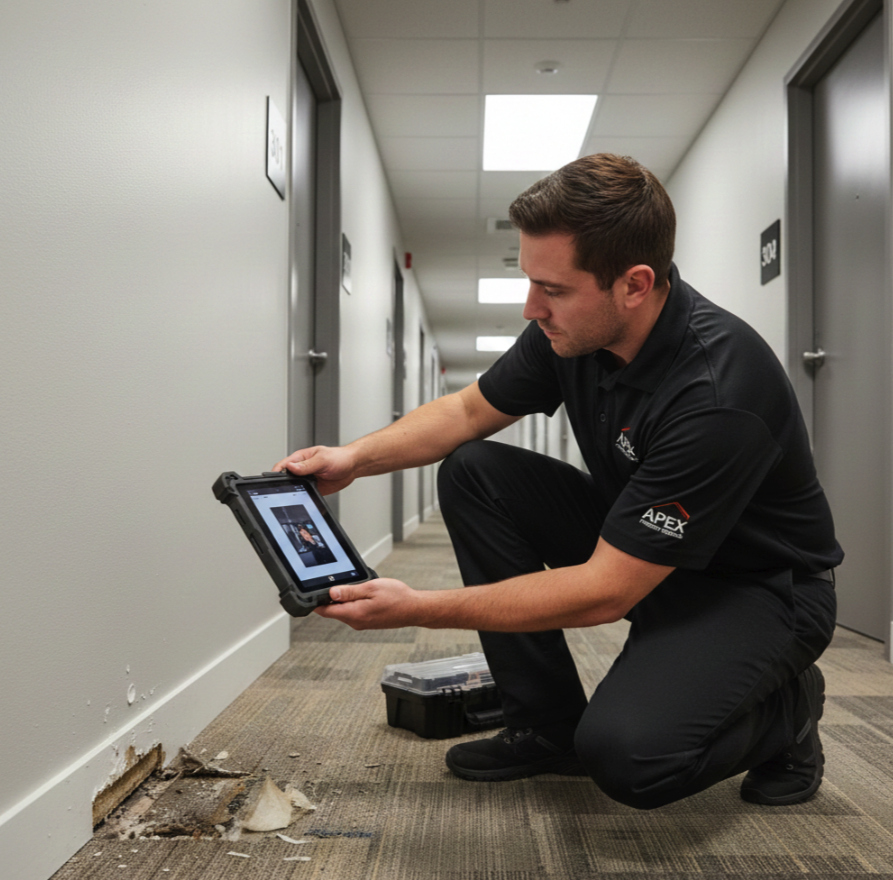
A maintenance tech finishes a work order in unit 412 and notices cigarette burns on the hallway carpet outside the door. He mentions it to the property manager on his way out. She says she will handle it. Three months later, the tenant moves out and disputes the damage charge. The property manager is pretty sure someone documented it, but the tech who spotted it left two months ago. His photos are on a phone the company no longer has access to.
Now it is a deduction dispute with no defensible record. The tenant gets the charge reversed. The building eats the cost.
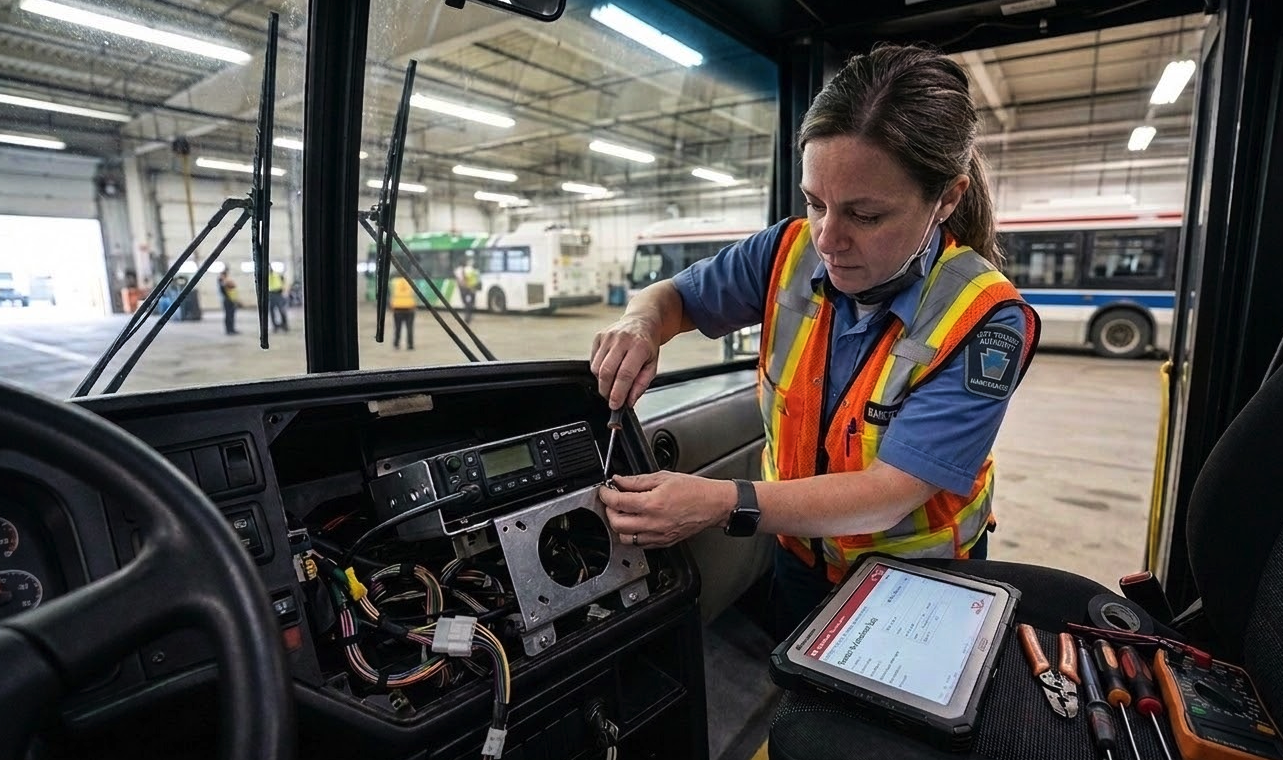
This is how apartment violation tracking breaks down. Not from negligence, but from the reality of multi-unit operations. Staff rotate. Shifts change. Contractors come and go. Violations get spotted during rounds, maintenance visits, and turnovers by different people at different times. Without a system that captures all of it consistently, the documentation exists in pieces that nobody can reassemble when it matters.
Where the Process Falls Apart
Violations Discovered by Everyone, Documented by No One
In an apartment building, violations surface everywhere. A concierge notices an unauthorized move-in during an overnight shift. A staff member spots damage in the stairwell during morning rounds. A maintenance tech finds an unapproved washer hookup while fixing a leak. A contractor reports debris blocking a fire exit.
Each of these people documents differently. Some take a phone photo. Some mention it to a manager. Some write it on a sticky note. Some do nothing because it is not their job.
The violation was observed. Whether it was captured in a way that can be retrieved six months later is another question.
The Staff Turnover Problem
Property management has turnover. The person who spotted the violation might not work there when the dispute arrives. If the documentation lives on their personal device, in their email, or in their memory, it left when they did.
This is not a training problem. It is a systems problem. When documentation depends on individual habits rather than a standardized process, every staffing change creates gaps in the record.
Inconsistency Across Shifts and Buildings
A day-shift staff documents a hallway violation with photos and a written note. A night-shift staff sees the same type of issue in another building and texts the super about it. Same company. Same violation type. Completely different documentation.
When a tenant challenges a charge and your records for their unit look different from records in comparable units, that inconsistency becomes the argument. Not whether the violation happened, but whether you enforced policy evenly.
For management companies running multiple buildings, this compounds. Each property might have its own informal process. Pulling a consistent violation history across the portfolio is an exercise in archaeology.
What Reliable Tracking Looks Like
Standardized Forms for Every Violation Type
Every violation should follow the same documentation process regardless of who discovers it or which building it occurs in. Same fields. Same required photos. Same categorization.
A standardized form means:
The violation type is categorized consistently
The relevant lease clause or building policy is referenced
A photo is required, not optional
The staff member who documented it is identified
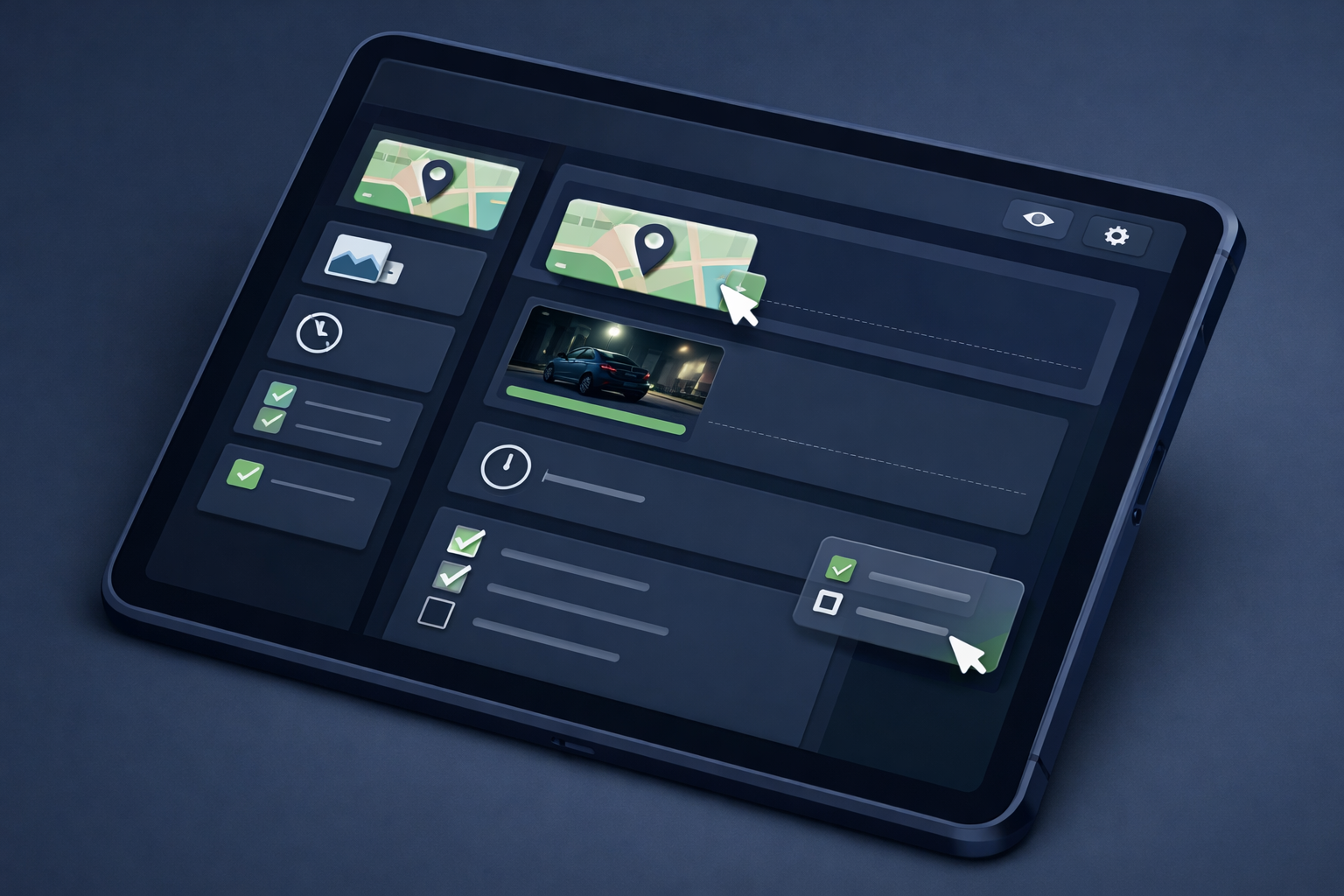
A timestamp and location are captured automatically
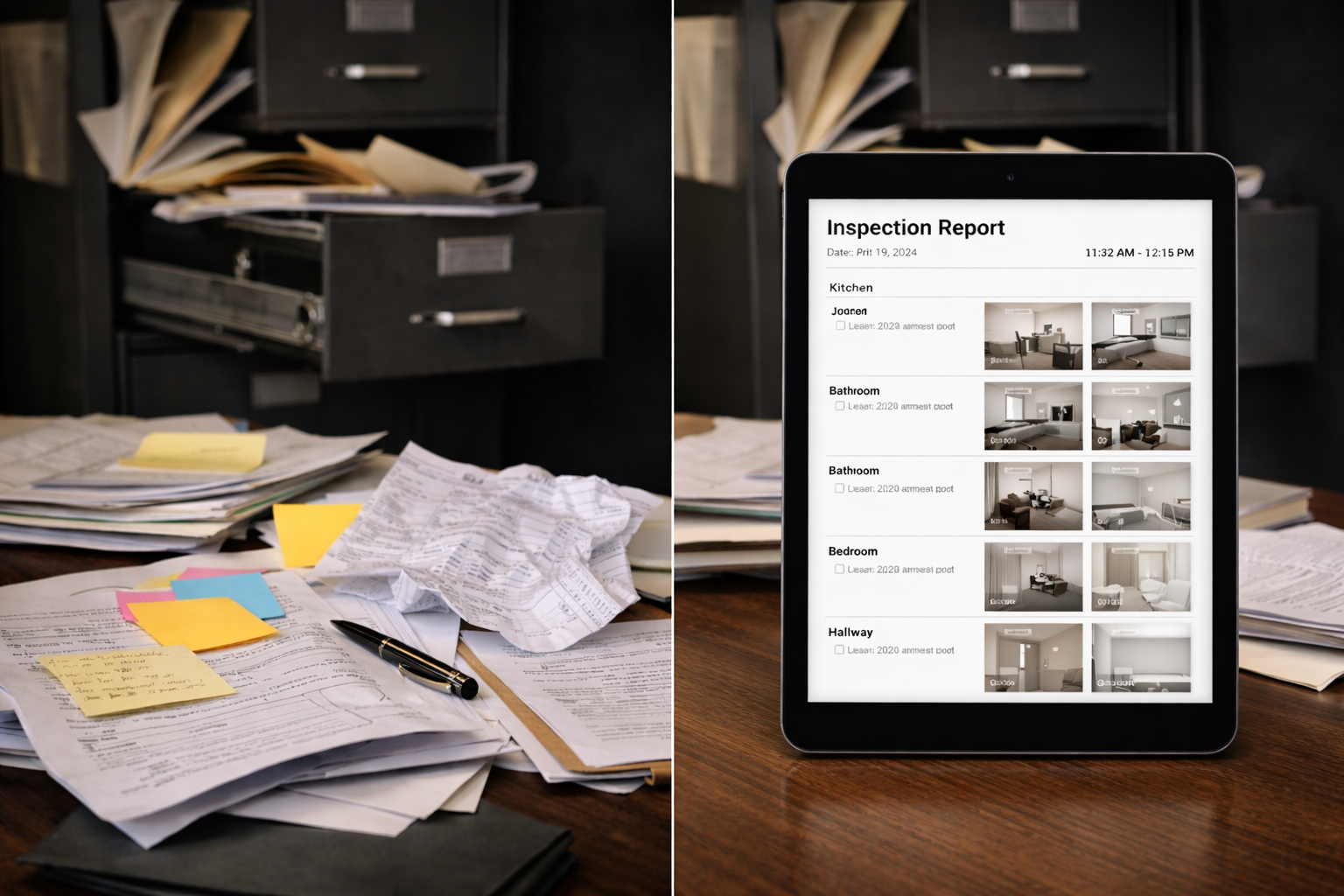
When a staff member, maintenance tech, and property manager all use the same form, the record does not depend on who found the problem. It depends on the process. That is what holds up when staff changes and tenants push back.
Photo Evidence with Timestamps
A photo without a date is just a photo. A photo with an automatic timestamp is a record.
During daily rounds, a staff member documents a damaged fire door. The system captures the photo with the exact date, time, and location. No manual entry. The staff member does not type a date. The system records when and where the photo was taken.
This matters most at move-out. The tenant says the damage was there when they moved in. You pull the violation log showing the issue was first documented four months into their lease, with a timestamped photo taken in their hallway. The comparison resolves it.
If the violation persists, a second round of documentation with fresh timestamps creates a clear progression. First observed, notice sent, follow-up inspection, still unresolved. Each step dated by the system.
Documentation That Survives Staff Changes
The staff member who documented the stairwell damage last March does not work here anymore. That should not matter. If the record lives in a centralized system, anyone with permission can pull it up by unit number, building address, date range, or violation type.
Searchable, centralized storage means the record belongs to the building, not to the person who created it. When the new property manager needs the history on unit 412, they search for it and have everything in under a minute. Photos, notes, timestamps, staff identification. All attached to the same record.
The Disputes That Cost Money
"That Damage Was There When I Moved In"
Pull the move-in inspection. Pull the violation log. If the move-in photos show clean carpet and the violation was documented months later with a timestamped photo showing burns, the timeline is clear. Without dated documentation, you are matching the tenant's word against a guess about when someone noticed it.
"Nobody Ever Told Me"
If the system logs when a notice was generated and how it was delivered, that claim has a short life. If the only record is a property manager's recollection of a hallway conversation, the tenant's word carries equal weight.
"You Are Charging Me But Not Other Tenants"
Standardized process handles this. If every unit in the building follows the same violation documentation workflow, with the same forms, same photo requirements, and same escalation steps, the selective enforcement argument does not hold. If your documentation is inconsistent across units, that argument has teeth.
Scale Makes This Urgent
A single building with twenty units can manage violations informally. Five buildings with a hundred units each cannot. At portfolio scale, the question is not whether violations are being spotted. It is whether the documentation can be retrieved, compared, and defended across properties, staff, and time.
Rotating staff need a process that works the same way regardless of who is on shift. Third-party contractors need to document into the same system as in-house teams. After-hours incidents need the same quality of record as daytime rounds. If any of these scenarios produce weaker documentation, that is where the liability sits.
Questions Worth Asking
Before the next lease renewal cycle:
Does every staff member document violations the same way, regardless of shift or building?
Can we pull a complete violation history for any unit in under a minute?
Are photos timestamped automatically, or do we rely on staff to record dates?
If the person who documented a violation leaves, can someone else find and use that record?
Would our documentation hold up if a tenant challenged a deduction with their own photos?
If any answer is uncertain, that is where disputes will find their opening.
Want to standardize violation tracking across your properties? FieldPad gives you standardized forms, timestamped photo evidence, GPS verification, and searchable records — all in one system. Read more at: Resources & Guides | FieldPad